Avoid common delays when booking Docklands gardeners
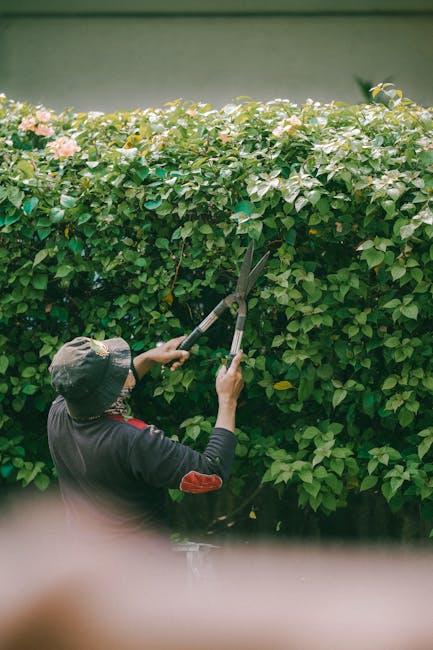
If you have ever tried to get garden work sorted at short notice, you will know the feeling: a patch of time opens up, the weather looks decent, and suddenly the whole plan slows down because one detail was missed. That is exactly why it helps to avoid common delays when booking Docklands gardeners. Whether you need routine upkeep, hedge cutting, lawn care, or a bigger garden tidy-up, the booking process goes far more smoothly when you prepare the right information early.
In Docklands, timing matters. Apartments, shared access routes, tight schedules, and the general pace of city living all make fast, clear communication important. The good news? Most delays are predictable. Once you know what typically holds things up, you can sidestep the bottlenecks and get your garden sorted without the back-and-forth. Let's walk through what slows bookings down, how to prevent it, and how to make a gardener's first visit simple rather than messy. Simple sounds nice, doesn't it?
Why avoiding booking delays matters
Garden work often looks straightforward from the outside. A hedge needs trimming, the lawn needs cutting, or the whole space needs clearing. But booking delays can ripple through the whole job. If the appointment is pushed back, overgrown areas can get worse, access can become trickier, and the time needed on site can increase. That can affect price, planning, and even what can realistically be completed in one visit.
For Docklands properties, there is also the practical side. Shared entrances, parking restrictions, apartment access, concierge arrangements, and limited storage space can all add friction. A gardener who turns up ready but cannot access the rear garden, or is waiting for the right gate code, is already losing time. Nobody enjoys that awkward pause while everyone checks messages and tries to find the one person who knows the key. We have all been there in one form or another.
Getting the booking right matters because it protects three things:
- Your time - less chasing, fewer calls, and fewer rescheduled visits.
- Your budget - clearer scope means fewer surprises and less wasted labour.
- The garden itself - work happens before conditions worsen or seasonal growth gets out of hand.
If you want a broader view of what a service can include, the services overview is a useful place to understand the range of garden work available before you book.
Expert summary: The fastest bookings usually come from clear scope, good photos, accurate access details, and a realistic preferred date. Miss one of those, and even a simple job can stall.
How avoiding booking delays works
The booking process for gardeners is usually simple on paper: you enquire, share details, receive a quote or estimate, agree a date, and the work gets done. In real life, the delays creep in when the basics are missing. A vague message like "need the garden done soon" is understandable, but it leaves too much to guesswork. What size is the space? What is the condition? Are you after regular maintenance or a one-off clearance? Is access straightforward? Those details shape everything.
A good booking flow usually looks like this:
- Initial enquiry - you describe the job, ideally with photos.
- Service matching - the provider identifies the right team or equipment.
- Quote or pricing discussion - depending on the job, this may be fixed or assessed after inspection. If you want to understand this side more clearly, see pricing and quotes.
- Scheduling - a date and time are confirmed, along with any access instructions.
- Arrival and completion - the team arrives prepared and gets on with the work.
Where people get stuck is usually in the first two stages. They forget the photos. They do not mention that the garden has not been touched for months. Or they assume a hedge trim and a full boundary reduction are basically the same thing. They are not, and that matters for time, tools, and labour.
The best way to keep things moving is to treat the booking as a brief handover. The more the gardener knows upfront, the less time gets lost later. That is the heart of it really.
Key benefits and practical advantages
When you avoid delays, the advantages are not just administrative. They show up in the quality of the result and the whole customer experience. A smooth booking gives you a better chance of getting the right work at the right time, especially in busier periods like spring growth or after a stormy spell.
- Faster turnaround - more complete information helps the team assess the job quickly.
- Better scheduling - access, parking, and timing can be planned properly.
- Clearer expectations - both sides understand what will and will not be done.
- Less rework - the garden is tackled in the right order, with fewer return visits needed.
- More reliable quotes - accurate details reduce the risk of scope drift.
There is also a quieter benefit: peace of mind. You are not waiting around wondering whether someone has the right address, or whether the job can actually be finished before the weekend barbecue. Truth be told, a lot of booking stress is just uncertainty wearing a suit.
If your garden needs ongoing care rather than one-off attention, the garden maintenance service page is a helpful reference point for understanding repeat work and what continuity usually looks like.
Who this is for and when it makes sense
This approach matters for almost anyone booking gardening help in Docklands, but it is especially useful if your property has practical complications or you need the work done by a particular date.
Homeowners
If you own a flat with a communal garden, a townhouse with rear access, or a private outdoor space that has been left a bit too long, booking delays are often caused by missing details rather than a lack of availability. A clear description gets things moving much faster.
Landlords and letting agents
For rental properties, timing matters because garden work often sits between tenancies, inspections, or new move-ins. A delay can make a property look neglected, which nobody wants. A simple note about access, keys, and urgency helps avoid those awkward last-minute messages.
Busy professionals
If you are juggling work, travel, and life in general, you probably want one thing: a tidy handover and no chasing. In that case, the fastest route is a concise enquiry with photos, preferred dates, and a realistic idea of what needs doing.
People with overgrown or neglected gardens
When the garden has got away from you a bit, honesty helps. If brambles are everywhere, hedges have shot up, or there is a mix of rubbish, cuttings, and general clutter, say so. That often changes the time estimate and may make a garden clearance the better starting point.
You may also find that specialised services are more efficient than a general visit. For example, a booking that includes lawn mowing or hedge trimming can be planned more efficiently if the provider knows the exact scope from the outset.
Step-by-step guidance
If you want the cleanest possible booking process, follow this sequence. It is not fancy, but it works.
- Gather a quick summary of the job
Write down what you need in one or two sentences. For example: "Front and back garden needs mowing, hedge edges tidied, and green waste removed." That is much better than "garden job." Much, much better.
- Take clear photos in daylight
Try to capture the whole area and any problem spots. Morning light or late afternoon light usually shows scale better than a dim indoor snap taken through a window. If there is a narrow side passage or awkward access, photograph that too.
- Explain access clearly
Say whether there is parking, lift access, a coded gate, a concierge desk, or shared entry. If keys need collecting from a neighbour, mention it early. This is one of the biggest causes of delay, and it is so often overlooked.
- State your preferred timing honestly
If you need the work done before guests arrive on Friday, say so. If you are flexible, say that too. Flexibility can make scheduling easier, but only if the gardener knows you have it.
- Identify any special risks or restrictions
Some jobs involve height, sharp tools, heavy lifting, slippery surfaces, or waste removal. If you have pets, fragile planting, shared boundaries, or restricted working hours, mention that upfront.
- Ask what is included
Clarify whether green waste removal, disposal, edging, pruning, or a second visit is part of the arrangement. The aim is not to interrogate anyone; it is simply to prevent crossed wires later.
- Confirm the appointment details in writing
A short written confirmation helps avoid the classic "I thought it was next Tuesday" problem. Not glamorous, but very effective.
If you are unsure where your garden needs broader landscaping work rather than basic maintenance, the landscape gardening and landscaping pages can help you think through the difference between light upkeep and a more involved project. To keep everything tidy and consistent, some customers also review about us before deciding who to trust with the work.
Expert tips for better results
Here is the part people often skip, even though it saves real time.
Be specific about the finish you want
"Tidy" can mean a dozen different things. For one person, it means the lawn is cut and the patio is sweeped. For another, it means every hedge line is crisp, edges are defined, and all cuttings are removed. If you care about the finish, describe it. Otherwise, you may get a technically correct result that still feels a bit off.
Group similar tasks together
If you need hedge trimming, lawn mowing, and clearance, asking for them together can be more efficient than spreading them across different visits. A gardener can often sequence the work better when they know the full picture. It saves time walking back and forth, and that matters more than people think.
Choose a realistic date, not an ideal one
Everyone wants the sunny slot on a Friday morning. Of course they do. But if you can accept a wider window, you are more likely to secure an earlier appointment. The difference between "must be at 9:00 sharp" and "morning preferred" can be the difference between waiting and getting booked.
Don't hide the messy bits
If the garden is genuinely a state, say so. Overgrown edges, broken planters, damaged fencing, or piles of debris all affect the work. A brief heads-up means fewer surprises and less chance of delay on arrival.
Ask about waste handling early
Green waste and mixed waste are not the same thing. If a team needs to remove cuttings, branches, soil, or old garden materials, that can affect scheduling and disposal arrangements. If you want an environmentally thoughtful approach, you may also want to review recycling and sustainability.
One small practical habit makes a huge difference: keep your first message short, but complete. You do not need a novel. You do need enough detail to let someone estimate properly. That is the sweet spot.
Common mistakes to avoid
The same delays crop up again and again. Once you know them, they are easy enough to dodge.
- Sending vague enquiries - "Need a gardener soon" gives too little to work with.
- Forgetting access details - gates, key arrangements, parking, and buzzers all matter.
- Understating the size of the job - a small-looking garden can still take time if it is heavily overgrown.
- Assuming all garden services are the same - mowing, hedge work, clearance, and landscaping can involve very different planning.
- Changing the scope after booking - adding extra tasks on the day can push the whole schedule back.
- Not checking the terms - cancellation, weather, access, and payment expectations are worth understanding early. The relevant details are usually covered in terms and conditions.
There is one more thing worth saying plainly: people often delay by waiting until the garden looks "bad enough" to justify booking. By then, the job is usually harder. A little earlier is almost always easier. Your future self will thank you, even if only quietly.
Tools, resources and recommendations
You do not need specialist software to book a gardener well. A phone, a few clear photos, and a short note are usually enough. Still, a few simple tools help.
| Tool or resource | Why it helps | Best use |
|---|---|---|
| Phone camera | Shows garden size, access points, and condition | Take daylight photos from multiple angles |
| Notes app | Keeps the job summary tidy | List tasks, access details, and preferred dates |
| Calendar reminder | Prevents missed appointments or late replies | Use for quote follow-up and booking confirmation |
| Site measure or pacing | Improves rough size estimates | Helpful for larger lawns, patios, or boundary hedges |
For service planning, it also helps to look at the actual type of work you need. If the garden is mostly routine upkeep, garden maintenance is the right frame. If it is a larger reset after neglect, clearance may be more suitable. If you are dealing with shrubs, boundary hedges, or height-related cutback, the specific task matters a lot more than the general word "gardening."
And yes, one good photo can save a silly amount of email ping-pong. A very modern miracle, really.
Law, compliance, standards and best practice
For most domestic gardening bookings, the main concerns are not legal complexity but practical best practice. Still, there are a few points worth keeping in mind, especially when work involves tools, ladders, waste removal, or shared access areas.
Safety and insurance matter. A professional provider should be able to explain how they handle safe working practices and public liability considerations in general terms. If you are booking work that may involve height or sharp equipment, it is reasonable to ask how risks are managed. The page on insurance and safety is a useful reference for this kind of reassurance.
Waste handling should also be discussed if your job produces a lot of cuttings or clearance material. Green waste is usually handled differently from mixed debris, and you should never assume it will all be taken away without agreement.
Access and neighbouring properties are another practical issue in Docklands. Shared entrances, communal routes, and close boundaries mean it is wise to avoid disturbing neighbours unnecessarily. Quiet scheduling, tidy working, and clear communication go a long way.
If you are booking a larger or more complex job, it is sensible to ask what the provider expects from you before they arrive. That might include access codes, parking instructions, pet safety, or whether items should be moved out of the work area. No one wants to discover a locked gate at the exact moment the mower is ready to roll.
For businesses that care about broader standards, pages like health and safety policy, payment and security, and recycling and sustainability can support trust and give you a better sense of how the service is run. That kind of transparency is rarely wasted.
Options, methods and comparison
Different booking approaches suit different jobs. Here is a simple comparison to help you decide what to send first.
| Booking method | Best for | Pros | Possible downside |
|---|---|---|---|
| Text-only enquiry | Very small, straightforward tasks | Quick and easy | Can be too vague for accurate scheduling |
| Photos plus short summary | Most domestic garden jobs | Fast, clear, and useful | Still needs good access details |
| Walkthrough or site visit | Large, overgrown, or complex work | Best for accuracy and planning | Takes longer to arrange |
| Multi-task booking | Maintenance with several related jobs | Efficient and often better value in time terms | Needs a clear scope to avoid confusion |
In practice, photos plus a short summary is the best balance for most people. It is quick for you and useful for the gardener. If the job is larger or more uncertain, a walkthrough can prevent misunderstandings. That said, for many people in Docklands, the simpler the better. Nobody has time for three messages just to explain a hedge.
Case study or real-world example
Here is a realistic example based on the kinds of situations that come up all the time.
A Docklands resident needs a front and rear garden brought back under control after a few busy months. The first enquiry says only, "Need garden done ASAP." The gardener replies with a few follow-up questions: what needs doing, how big is the space, is there access from the rear, and are cuttings to be removed? Each answer arrives a day apart. By the time the details are complete, the earliest slot has moved out by nearly a week.
Now compare that with a second enquiry. Same kind of job, but this time the customer sends:
- three photos taken in daylight
- a short list of tasks: mowing, hedge trim, border tidy, waste removal
- access notes: front entry with concierge, rear gate code available
- preferred timing: any weekday morning this week, if possible
The difference is immediate. The gardener can judge the likely time needed, bring the right kit, and book the work without multiple follow-ups. That does not just save a day or two. It can change the whole experience from stressful to surprisingly easy.
If the work turns out to be more involved, such as a combination of pruning and structural tidy-up, a service like tree lopping and removal may be more appropriate than a basic maintenance visit. That is exactly why early clarity matters. It helps match the job to the right service first time.
Practical checklist
Use this quick checklist before you book. It saves time and, honestly, a bit of faffing around.
- Describe the job in one clear sentence.
- Add photos from different angles.
- Note access details: gate, key, parking, concierge, or building entry.
- State whether the garden is routine maintenance or a bigger clearance job.
- Mention pets, neighbours, restricted hours, or fragile plants.
- Ask what is included in the service.
- Confirm whether waste removal is needed.
- Share your ideal date and any flexibility.
- Check terms, payment expectations, and safety information.
- Keep the confirmation message or email somewhere easy to find.
If you want to understand the provider a bit more before going ahead, the about us page can help build confidence, while the main contact us page is the straightforward next step when you are ready to ask for availability.
One small tip from experience: write the access instructions as if someone unfamiliar with your building is coming for the first time. Because often, they are.
Conclusion
The easiest way to avoid delays when booking Docklands gardeners is to make the job easy to understand before anyone arrives. Clear photos, honest timing, direct access details, and a sensible description of the work will usually cut out the most common hold-ups. That means less waiting, better planning, and a smoother result overall.
It is not about being fussy. It is about being prepared. And in a busy part of London, prepared usually wins. Whether you need routine garden maintenance, hedge work, mowing, clearance, or a larger landscaping project, a little clarity at the start saves a lot of frustration later. That is the whole game, really.
Get a free quote today and see how much you can save.
When the right details are shared early, even a complicated booking can feel refreshingly simple. And that, in the middle of a packed week, is a very good feeling.
Frequently Asked Questions
What is the main reason bookings for Docklands gardeners get delayed?
The biggest reason is usually incomplete information. If the gardener does not know the size of the job, access arrangements, or whether waste removal is needed, they have to ask follow-up questions. That slows everything down.
How can I speed up a quote for garden work?
Send clear photos, a short summary of the work, and any access details in your first message. If you can also mention your preferred timing, that helps the provider assess the job faster and reply more accurately.
Should I book a site visit before getting a price?
For smaller jobs, photos are often enough. For larger, overgrown, or more complex work, a site visit can be the better option because it reduces the risk of misunderstandings and last-minute changes.
What details should I include when booking a gardener?
Include the type of work, garden size if known, photos, access instructions, whether waste needs to be removed, and any special issues such as pets, shared access, or limited working hours.
Do Docklands garden bookings need parking or access information?
Yes, they often do. Docklands can involve managed buildings, restricted parking, or shared entrances. If you mention this early, the gardener can plan arrival and equipment transport properly.
Is hedge trimming booked differently from general garden maintenance?
Often, yes. Hedge work may require different tools, time planning, and sometimes more detailed access or safety considerations. It is best to describe it separately rather than bundling it into a vague garden request.
How far in advance should I book a gardener?
That depends on the season and the size of the job. Busy periods usually need more lead time. If you are flexible, say so. If you need a specific date, book as early as possible to reduce the chance of delays.
What if my garden is badly overgrown?
Be honest about it. Overgrown gardens usually need more time and may be better suited to a clearance-style visit first. Hiding the scale of the work tends to cause delays later, not fewer.
Can I combine mowing, hedge trimming, and clearance in one booking?
Yes, and often that is the most efficient approach. Just list each task clearly so the provider can judge the time, tools, and team needed. Combined bookings can be smoother when the scope is clear from the start.
Why do some gardeners ask for photos before confirming a visit?
Photos help them understand the size and condition of the garden without guessing. That means they can plan properly, bring the right equipment, and give you a more reliable time estimate.
What should I do if I need work completed urgently?
State the deadline upfront and be as flexible as possible on timing. Also include the clearest possible photos and description so the provider can decide quickly whether they can fit the job in.
How do I know if I need garden clearance instead of routine upkeep?
If the space is heavily cluttered, overgrown, or difficult to access because of accumulated debris, clearance may be the better starting point. Routine upkeep is usually for gardens that are already manageable and just need regular attention.