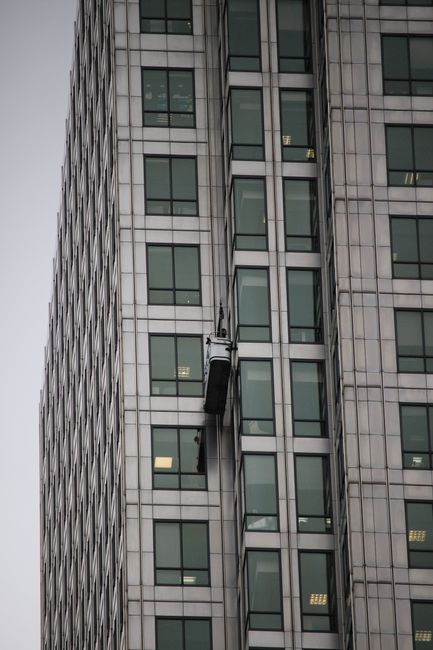
Canary Wharf station gardeners for office roof maintenance
If you manage an office near Canary Wharf station, roof planting and terrace upkeep can slip down the list faster than anyone likes to admit. Then one windy week arrives, the sedum looks tired, debris collects around drains, and suddenly the roof is not a nice-to-have feature anymore. It is part of the building's performance. That is where Canary Wharf station gardeners for office roof maintenance come in: the people who keep planted roof spaces tidy, healthy, safe, and presentable without turning the whole thing into a disruption.
Whether you are looking after a small staff terrace, a roof garden above a commercial unit, or a larger mixed-use office roof, the right care routine matters. In this guide, you will see what office roof maintenance actually involves, why it matters in a dense business district, how the work is usually handled, and what to check before you book anyone in. We will also cover compliance, practical pitfalls, and the small details that make the biggest difference on a rooftop. Truth be told, rooftops punish shortcuts.
Table of Contents
- Why Canary Wharf station gardeners for office roof maintenance Matters
- How Canary Wharf station gardeners for office roof maintenance Works
- Key Benefits and Practical Advantages
- Who This Is For and When It Makes Sense
- Step-by-Step Guidance
- Expert Tips for Better Results
- Common Mistakes to Avoid
- Tools, Resources and Recommendations
- Law, Compliance, Standards, or Best Practice
- Options, Methods, or Comparison Table
- Case Study or Real-World Example
- Practical Checklist
- Conclusion
- Frequently Asked Questions
Why Canary Wharf station gardeners for office roof maintenance Matters
Office roofs in Canary Wharf are not the same as a domestic garden above a terrace. They are exposed, often busy, and usually expected to look sharp all year. People notice them from neighbouring buildings, from meeting rooms with glass walls, and sometimes from the street below. That means roof maintenance is not just about "keeping plants alive". It affects the image of the whole workplace.
There is also a very practical side. A planted roof can only do its job if drains stay clear, growth remains controlled, and access routes are safe. Left alone, even a neat roof garden can develop patchy planting, weeds, blocked outlets, compacted soil, or wind damage. London weather is not especially forgiving, and the area around Canary Wharf gets its fair share of gusts funnelled between tall buildings. You will notice that immediately after a rough night.
Good gardeners for office roof maintenance understand that rooftop work is part horticulture, part routine inspection, and part risk management. They are not there just to make things pretty. They help the roof perform as a managed asset. That distinction matters, especially for office buildings where tenant expectations, health and safety, and presentation all sit close together.
If the roof space supports wellbeing, informal meetings, or client-facing areas, the stakes go up again. A tired, overgrown, or waterlogged roof can feel neglected in a way that spills into how people judge the whole building. Small thing? Maybe. But in commercial property, small things add up quickly.
For a broader view of the services that sit around this kind of work, some property managers also review the full range of garden and landscape services before deciding how much support they need.
How Canary Wharf station gardeners for office roof maintenance Works
In most cases, the process starts with a site assessment. That means looking at the roof layout, planting type, access points, drainage, irrigation if fitted, edging, planters, and any areas where debris tends to gather. A good first visit should feel more like a sensible inspection than a rushed mow-and-go job. If somebody glances up, nods, and quotes in thirty seconds, well... that is not much of a plan.
After that, maintenance is usually built around the actual roof system. A sedum roof needs different care from a roof terrace with shrubs in planters. A mixed planting scheme needs seasonal pruning, deadheading, feeding, and replacement planting when something fails. A roof with decking, boundaries, or decorative planters may also need cleaning and surface checks. In office settings, the work is often scheduled early, before staff arrive, or during quieter windows to reduce disruption.
A careful maintenance visit often includes:
- removing litter, leaves, and windblown debris
- checking drains and outlets for blockages
- cutting back excessive growth
- replacing failed or damaged plants
- checking planters, edging, and irrigation points
- spotting early signs of water pooling or plant stress
- keeping access paths and working zones tidy
For larger or more complex sites, roof maintenance may sit alongside general grounds care. That can include garden maintenance for surrounding areas, or more specialist support such as landscaping and landscape gardening when the roof needs restoration rather than simple upkeep.
Sometimes the work is routine and light. Other times it is corrective. If a roof has been neglected for months, maintenance becomes part clean-up, part recovery, and part damage control. Not glamorous, but very necessary.
Key Benefits and Practical Advantages
The obvious benefit is visual. A healthy roof garden looks cared for, which matters in a district where first impressions are everything. But the practical gains go deeper than that. Regular roof maintenance helps prevent the kind of problems that become expensive if ignored.
Here are the main advantages office managers usually care about:
- Better drainage performance: Clear outlets reduce the risk of standing water and related damage.
- Healthier planting: Seasonal trimming, feeding, and replacement keep the roof looking consistent.
- Safer access: Tidier routes and fewer trip hazards make working on the roof less awkward.
- Longer asset life: Surfaces, planters, and planting systems tend to last longer with regular attention.
- Improved tenant experience: Staff and visitors notice if the space feels fresh rather than forgotten.
- Fewer emergency callouts: Catching a blockage or dead patch early is easier than dealing with a bigger failure later.
A practical example: a roof terrace that is checked monthly is far less likely to develop hidden problems than one that only gets attention when something is already wrong. That sounds obvious, but in real buildings the difference is massive. Maintenance is a little boring until it saves the day. Then it becomes everyone's favourite topic.
There is also a sustainability angle. Well-managed planting can support biodiversity, moderate heat on exposed roof surfaces, and reduce the amount of waste sent to landfill through regular, sensible green waste handling. If sustainability is part of the building's identity, the roof should reflect that too.
Who This Is For and When It Makes Sense
This kind of service suits anyone responsible for a roofed commercial green space near Canary Wharf station. That might include building managers, facilities teams, landlords, office occupiers, estate agents, or managing agents handling multiple properties. If the roof is visible, accessible, or used by staff, regular care becomes even more important.
It makes sense especially when:
- the roof planting is starting to look uneven or patchy
- drainage is slow after heavy rain
- weeds or self-seeded plants are appearing
- planters are drying out faster than expected
- the roof terrace is used for client meetings or staff breaks
- you need a reliable seasonal schedule rather than one-off tidy-ups
It is also worth considering if you are taking over a building and do not yet know the maintenance history. Roof spaces often hide small issues. A patch of moss here, a blocked outlet there, and then one day you discover the "little problem" has turned into a bigger maintenance conversation than anyone wanted.
Not every office roof needs the same level of attention. A low-maintenance sedum roof on a well-designed system will need a different approach from a planted roof garden with seating, irrigation, and mixed ornamentals. The job is matching the maintenance to the roof's actual design, not treating everything the same.
Step-by-Step Guidance
If you are planning office roof maintenance near Canary Wharf station, a structured approach saves hassle. Here is a practical way to think it through.
- Inspect the roof properly. Start with access, planting type, drainage points, surfaces, and visible wear. Do not skip the boring bits; they usually matter most.
- Identify the roof's priorities. Is the main issue appearance, drainage, plant health, or all three? A terrace used daily needs a different schedule from a decorative roof seen from above.
- Set a maintenance frequency. Some roofs need monthly attention, others seasonal visits. In winter, checks may be lighter but still important after storms.
- Agree the access and safety arrangements. Clarify who escorts contractors, how equipment is moved, and where waste will be removed.
- Carry out the work systematically. Tidy, prune, clear, inspect, and replace where needed. Good maintenance is methodical, not rushed.
- Record what was done. Simple notes or photos help track patterns, especially if a problem keeps returning in the same place.
- Review after weather events. High winds, heavy rain, or a spell of heat can change conditions fast. A quick follow-up can prevent surprises.
A useful habit is to treat the roof like part of the building's essential fabric, not an ornamental extra. That mindset changes decisions. People ask better questions. They plan better. And they stop waiting until the planting looks defeated before taking action.
Expert Tips for Better Results
Here are a few things experienced roof gardeners tend to keep in mind, especially in a busy commercial setting like Canary Wharf.
First, think in seasons. Spring growth, summer watering stress, autumn leaf fall, winter wind exposure - each season changes what the roof needs. A year-round view is more useful than chasing problems one at a time.
Second, do not over-prune. It is tempting to "tidy" a roof aggressively so it looks neat fast, but over-cutting can leave plants stressed and exposed. A careful trim usually produces a better result.
Third, respect access restrictions. Roof work in office environments often sits around staff movement, tenant needs, and building rules. A team that works neatly, quietly, and without leaving clutter tends to make life easier for everyone. Honestly, that alone is worth its weight in gold.
Fourth, watch irrigation closely. If the roof has watering systems, small faults can be hard to spot until plants start suffering. Dry patches in a planted roof often point to coverage issues rather than just "bad luck".
Fifth, keep replacements consistent. Swapping in random species or mismatched planters can make a roof look messy even when it is technically healthy. Consistency matters on rooftops because sightlines are usually clean and unforgiving.
When choosing support, some managers also compare broader service packages such as hedge trimming for boundary planting or tree lopping and removal where larger growth is affecting roof light, safety, or access.
Common Mistakes to Avoid
The mistakes are rarely dramatic. That is the thing. They are usually small omissions repeated over time.
- Leaving drainage checks too late: A blocked outlet can create far more trouble than a little debris would suggest.
- Using the wrong maintenance frequency: Too little care leads to decline; too much can waste money and disturb the roof unnecessarily.
- Ignoring access planning: If contractors cannot get materials in and waste out smoothly, the job becomes slower and clumsier.
- Mixing up cosmetic and structural issues: A tidy roof still needs technical checks. A neat appearance does not prove the system is sound.
- Choosing the cheapest quote without checking scope: Low cost can hide missing tasks, weak reporting, or limited experience with commercial roofs.
- Forgetting seasonal change: A roof that was fine in May can look very different after a windy November.
Another common mistake is treating roof maintenance as a one-off rescue job. It is more effective as an ongoing routine. Even if the roof has been neglected, the quickest way back to control is usually a structured schedule, not a heroic single visit. Nice story for the pub maybe, but not a maintenance plan.
Tools, Resources and Recommendations
You do not need a huge toolkit for good office roof maintenance, but the right equipment makes the work safer and cleaner. The exact tools depend on the roof design, yet most professional visits rely on some combination of the following:
- hand tools for pruning and deadheading
- lightweight waste bags or collection containers
- drain clearing tools suitable for roof outlets
- inspection checklists and photo records
- watering equipment where irrigation is not fixed
- protective coverings for surfaces during maintenance
- equipment for safe movement of materials across the roof
For decision-making, it helps to compare a few service types side by side. Office roof maintenance often sits alongside wider property care, so the real question is not just "can someone tidy plants?" but "can they look after the full roof environment responsibly?"
| Maintenance option | Best for | Strengths | Limitations |
|---|---|---|---|
| Routine roof gardener visits | Ongoing plant care and presentation | Reliable, preventive, good for office roofs | May not suit major repairs or redesigns |
| One-off clearance | Neglected or overgrown roofs | Fast reset, visible improvement | Does not replace a proper schedule |
| Landscape-led service | Roof upgrades or layout changes | Useful for bigger improvements | May be more than you need for simple upkeep |
| Full grounds maintenance package | Buildings with roof and ground-level planting | Consistent standards across the site | Needs clear scope to avoid paying for extras you do not use |
If your roof project is tied to a larger presentation or wellbeing plan, browsing a local roof garden guide can help you think through what kind of care level your site really needs.
Law, Compliance, Standards, or Best Practice
Any work on an office roof has to be handled carefully. While the exact duties will depend on the building and the work being done, commercial roof maintenance in the UK normally sits within wider health and safety expectations, access planning, and contractor competence. The basics are simple enough: the people doing the work should be trained, the site should be assessed, and the method should suit the risks.
In practice, that usually means paying attention to safe access, edge protection where needed, suitable footwear and equipment, sensible weather decisions, and clear communication with building management. Wet surfaces, high winds, loose materials, and awkward access points all increase risk. Roofs are not the place for improvisation. Not really.
Best practice also includes clear documentation. That may involve a scope of work, a maintenance schedule, notes from each visit, and records of any issues found. If something changes on the roof - say, a drainage outlet starts pooling water or a planter begins shifting - it should be reported and acted on promptly.
For service providers, insurance and safety arrangements matter as well. A commercially sensible buyer will usually want reassurance on those points, not because it sounds impressive, but because it protects the building and the people involved. If you want to know how a provider frames that side of the work, their insurance and safety approach can be a helpful starting point.
There is also a sustainability best practice angle. Waste handling, green waste recycling, and sensible material use all matter on roof jobs where access can make disposal less straightforward. If environmental handling is important to your building, ask how the team manages waste and whether they have a clear approach to reuse and recycling. You do not need grand promises. You need a process that actually gets done.
Options, Methods, or Comparison Table
If you are deciding how to maintain an office roof near Canary Wharf, the choice usually comes down to how much support you need and how complex the roof is. Here is a simple comparison that helps narrow it down.
| Approach | What it includes | Best fit | Typical decision point |
|---|---|---|---|
| Light-touch upkeep | Basic tidying, plant checks, debris removal | Small or low-traffic roof spaces | The roof is already in good condition |
| Scheduled maintenance | Regular visits across the year | Most office roofs | You want predictable results and fewer surprises |
| Restorative maintenance | Clearance, replacement planting, problem-solving | Neglected or strained roofs | The roof needs recovery, not just routine care |
| Integrated property care | Roof care plus wider grounds or landscaping support | Multi-area commercial sites | You need one plan across several outdoor spaces |
In real life, many buildings move between these options over time. A roof may start with restorative work, settle into scheduled maintenance, and later shift to light-touch upkeep if the planting is stable. The right method is the one that matches the roof today, not the one that sounded best in a proposal six months ago.
Case Study or Real-World Example
Here is a realistic office scenario. A facilities manager near Canary Wharf station notices a roof terrace that has started to look uneven. A few planters are dry at the edges, leaves are collecting around a drain, and the planting nearest the access door is looking thinner than the rest. Nothing catastrophic. But enough to nag at you every time you step outside with a coffee.
Rather than wait for visible damage, the manager arranges a full inspection and maintenance visit. The team checks the roof layout, clears the drainage points, prunes back leggy growth, removes debris, and replaces a few tired plants. They also note one area that is drying out quicker than expected, which suggests watering coverage needs adjustment. That is the kind of detail that saves trouble later.
Two weeks after the work, the terrace looks sharper, the route is clearer, and the manager has a simple schedule for the next seasonal visit. No drama. No emergency callout. Just a roof that feels looked after again. And yes, the staff using the space notice. They always do.
This sort of outcome is not unusual. Roof maintenance rarely makes headlines, but it quietly supports the look, function, and reputation of a building.
Practical Checklist
Use this as a quick pre-booking and pre-visit checklist for Canary Wharf station gardeners for office roof maintenance.
- Confirm the roof type: sedum, planter-based, terrace, or mixed planting.
- Check who provides access and who is responsible for site escorting.
- List any known issues: drainage, wind damage, dry patches, weeds, or failing plants.
- Ask how waste will be removed from the roof and where it will go.
- Confirm whether irrigation needs inspection or adjustment.
- Make sure safety arrangements are clear, including weather considerations.
- Agree the maintenance frequency before starting the job.
- Ask for notes or photos after each visit.
- Review whether surrounding areas also need support, such as ground-level garden care.
- Decide whether the goal is routine upkeep, recovery work, or both.
Quick summary: if the roof is visible, used, or part of the office experience, do not treat it as background decoration. Give it a proper maintenance plan, keep the checks regular, and stay alert to small changes. That steady approach usually costs less stress in the long run.
Conclusion
Canary Wharf station gardeners for office roof maintenance play a much bigger role than many people first expect. They help keep rooftop spaces healthy, safe, and presentable, while also supporting drainage, plant survival, and the overall feel of the building. In a fast-moving commercial area, that combination matters. A lot, actually.
The best results usually come from a simple formula: clear scope, regular visits, sensible safety planning, and a team that understands both plants and commercial roof realities. Get those parts right and the roof becomes an asset rather than a headache. Miss them, and the problems tend to show up at the least convenient moment, which is almost a law of property life.
Get a free quote today and see how much you can save.
And if you are still deciding, take your time and ask the practical questions. A well-kept roof does not shout for attention - it quietly makes the whole place feel better.
Frequently Asked Questions
What do Canary Wharf station gardeners for office roof maintenance actually do?
They maintain planted roof spaces and terraces for commercial buildings near Canary Wharf station. That usually includes clearing debris, pruning, checking drainage, replacing damaged plants, and keeping the space tidy and safe for use.
How often should an office roof be maintained?
It depends on the roof design and exposure. Many office roofs benefit from monthly or seasonal visits, while low-maintenance systems may need less frequent care. The right schedule comes from the site itself, not a one-size-fits-all rule.
Is roof garden maintenance different from normal garden maintenance?
Yes. Roof spaces are more exposed, often harder to access, and usually require more attention to drainage, wind impact, and safe working practices. The planting may also be chosen specifically for rooftop conditions.
Can roof maintenance help prevent leaks or water problems?
It can help reduce risk by keeping outlets clear and spotting issues early. That said, maintenance does not replace proper waterproofing or building repairs. It works alongside them.
What signs show an office roof needs attention?
Common signs include blocked drainage, patchy or stressed plants, weeds, debris build-up, water pooling, and planters that look tired or unstable. If the roof looks different after bad weather, that is worth checking too.
Do I need a specialist for a roof terrace in an office building?
Usually, yes. Roof terraces and planted roof spaces need people who understand commercial access, plant care, and rooftop risk. A general gardener may not be the best fit unless they already work with roof environments.
What should I ask before booking roof maintenance?
Ask about experience with commercial roofs, safety procedures, access requirements, maintenance frequency, waste removal, and whether they provide notes or photos after the visit. Those questions tell you a lot very quickly.
Can maintenance be done without disrupting office staff?
In many cases, yes. Good planning can keep disruption low by scheduling visits early, using tidy working methods, and coordinating access properly. Communication with building management makes a big difference.
What happens if the roof has been neglected for months?
It usually needs restorative work first. That may include a deeper clearance, pruning, plant replacement, and drainage checks before moving to a regular upkeep schedule. It is fixable in many cases, but it should be handled carefully.
How do I compare quotes for office roof maintenance?
Compare the scope, not just the price. Look at what is included, how often visits happen, whether drainage is checked, how waste is managed, and whether the provider understands commercial roof conditions.
Is sustainability part of roof maintenance?
Yes, it can be. Regular care helps plants survive longer, reduces waste from failed planting, and makes recycling or green waste handling easier when it is planned properly. It is a practical benefit, not just a nice idea.
Where can I learn more about related services?
You can explore service details, maintenance support, and practical guidance across the site, including garden clearance and pricing and quotes if you are comparing options for your office space.