Isle of Dogs gardeners for small courtyard makeovers
If you live on the Isle of Dogs, you already know the truth: outdoor space is precious. A courtyard can be tiny, awkwardly shaped, shaded by tall buildings, or exposed to wind coming off the river. And yet, with the right approach, that same small space can become the part of your home you use most. That is exactly where Isle of Dogs gardeners for small courtyard makeovers make a real difference.
Whether you want a calmer place for morning coffee, a better setting for evening drinks, or a tidy, low-maintenance area that finally feels finished, a good courtyard makeover is less about adding "more" and more about using space properly. To be fair, that is the whole art of it. Small spaces punish vague planning and reward smart, local, practical decisions.
In this guide, you will find a clear breakdown of how courtyard makeovers work, what they typically involve, what to avoid, and how to choose the right help. If you are also exploring related outdoor work, you may find it useful to look at our gardening services, garden design support, and ongoing garden maintenance for longer-term care.
Think of this as the no-nonsense version. Not glossy, not vague. Just practical advice that helps you make a small courtyard feel considered, usable, and genuinely pleasant to spend time in.
Why Isle of Dogs gardeners for small courtyard makeovers Matters
Small courtyards are rarely forgiving. They can feel overlooked, cramped, and a bit stubborn. One corner collects shade, another gets too much reflection from nearby glass and brick, and drainage can be patchy after a heavy London downpour. On the Isle of Dogs, that mix is especially common because many homes sit close together, with limited light and exposed microclimates.
That is why local experience matters. An experienced gardener does not just "add plants". They read the space. They notice where water sits after rain, how the wind moves between buildings, and which materials will suit a compact urban courtyard without making it feel even smaller. Small-space gardening is part design, part practicality, and part restraint. Less can absolutely be more, if it is the right less.
There is also a lifestyle side to this. A courtyard makeover can change how you use your home. A good layout can make a flat feel larger. A tidy screen or planter can soften a view from the kitchen. A seating nook can give you a place to breathe for ten minutes on a busy day. Small result, big mood shift. You really do feel it when the space works.
For many homeowners and renters, the challenge is not ambition. It is clarity. What should stay? What should go? What looks good in a brochure but is a pain to maintain after six weeks? Skilled gardeners on the Isle of Dogs help answer those questions in a way that fits the reality of London living.
If you want to compare broader outdoor support, our landscaping services page is useful for understanding the difference between garden maintenance, design, and structural improvements.
How Isle of Dogs gardeners for small courtyard makeovers Works
A courtyard makeover usually starts with a site visit or a detailed consultation. The gardener assesses the dimensions, access, light levels, drainage, surfaces, and how the space is actually used. That last point gets missed more often than you would think. A courtyard that looks lovely on paper may be useless if you can barely open the door or cannot move a chair without grazing a planter.
From there, the project normally moves through a few practical stages:
- Assessment - understanding what the current space does well, where it fails, and what you want it to do better.
- Planning - choosing a layout, materials, planting style, and maintenance level that suit the property.
- Preparation - clearing unwanted growth, removing broken features, improving soil or containers, and addressing drainage or surface issues where needed.
- Installation - adding planters, plants, edging, screening, lighting, seating, trellis, or surface treatments.
- Finishing and aftercare - watering, mulching, pruning, and setting a simple maintenance routine so the space holds up.
Sometimes a makeover is gentle and quick. A refresh might involve reshaping beds, replacing tired containers, and introducing a more cohesive planting palette. Other times it is more involved, with raised planters, new paving, better storage, or vertical planting to create usable depth without stealing floor space.
The best local gardeners will also think about year-round performance. A courtyard can look great in June and feel bleak by November if it is planned only for summer. Good design keeps some structure in place all year: evergreen texture, a few strong shapes, and hard materials that still look tidy in wet weather. That's the stuff that holds up.
If you are dealing with limited time rather than limited interest, you may want to pair a makeover with regular support through garden maintenance so the space does not slowly slide back into "I'll sort it next month" territory. We all know how that goes.
Key Benefits and Practical Advantages
The obvious benefit is visual improvement. But in small courtyards, the practical gains are often more valuable than the prettiness. A well-planned courtyard can feel easier to use, easier to clean, and easier to keep under control. That matters if you are juggling work, family, travel, or just the general noise of London life.
- Better use of space: every square metre is planned with purpose, not just filled.
- More light and flow: the right planting and layout can stop the space feeling boxed in.
- Lower maintenance: the design can be built around how much time you actually have.
- Improved privacy: screening and planting can soften views from neighbouring buildings.
- Year-round appeal: a balanced design avoids the "summer-only" problem.
- Better property feel: a courtyard that looks cared for makes the whole home feel more finished.
There is also a subtle psychological gain. Small, private outside spaces can become a reset point. A few minutes with a cup of tea, a small table, and some greenery can change the tone of a day. Sounds dramatic, maybe. But if you have ever stood in a quiet courtyard before work and heard nothing but a faint rustle of leaves, you know exactly what I mean.
Another practical advantage is flexibility. A well-designed courtyard can often evolve over time. You can start with a simple layout, then add seating, feature pots, lighting, or seasonal planting later. That means you do not need to solve everything in one go. Sometimes that is the smartest route, especially if you want to keep disruption down.
For related inspiration on outdoor finishes and usable spaces, take a look at our patio services and outdoor living ideas.
Who This Is For and When It Makes Sense
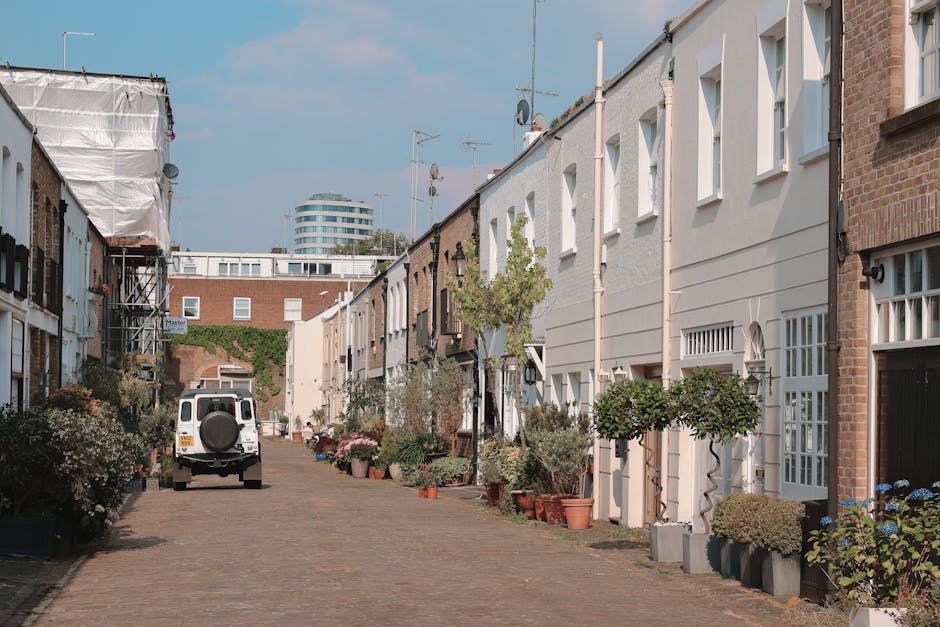
This type of service is ideal if you have a compact outdoor area that feels underused, messy, or difficult to maintain. It is especially useful for terrace flats, mews-style properties, ground-floor apartments, and narrow private courtyards where the old "just plant a few things and see what happens" approach has stopped working.
You may benefit from a small courtyard makeover if:
- your space is visually cluttered or badly proportioned
- the planting feels random, sparse, or overgrown
- you want more privacy without making the area feel closed in
- drainage is poor or the surface gets slippery and untidy
- you want a space that is easier to clean and keep neat
- you are preparing a home for sale or rental presentation
- you simply want to enjoy the garden instead of avoiding it
It also makes sense if you have tried DIY fixes that never quite landed. That is not a failure, by the way. Courtyards are tricky. You can buy lovely plants and still end up with a space that looks awkward because the bones of the design are off.
For landlords and property managers, a courtyard makeover can be a sensible upgrade where appearance and maintenance both matter. And for busy households, the biggest selling point is often simplicity. A design that needs less intervention week to week is not "boring"; it is smart.
Expert summary: In small courtyard spaces, the best results usually come from editing, not adding. Strong layout, resilient planting, and a clear maintenance plan matter more than cramming in features.
If you are comparing services more broadly, you can also browse fencing and screening options if privacy is one of your top concerns.
Step-by-Step Guidance
1. Start with the way you want to use the space
Before thinking about plant names or paving styles, decide what the courtyard should actually do. Breakfast spot? Plant display? Reading corner? A private side-return feel? A dog-friendly zone? Tiny spaces need a job description. Otherwise they drift into being decorative but not useful.
2. Measure properly and note the awkward bits
Measure the full area, yes, but also mark doors, vents, drains, pipes, thresholds, and any corners that feel too narrow for furniture. Take a few photos in the morning and late afternoon. The light changes a lot, and in an urban setting those changes shape what will survive and what will sulk.
3. Clean out the space and deal with the basics first
Clear dead growth, broken pots, wobbly edging, and anything that blocks movement. Then tackle the fundamentals: drainage, surface condition, soil quality, and access. A beautiful plant scheme will not rescue a courtyard with standing water or a cracked, uneven base. It just won't.
4. Choose a simple structure
In most small courtyards, structure should do the heavy lifting. That may mean raised planters, a repeating pot style, a slim bench, trellis on one boundary, or one strong focal feature. Too many unrelated elements make the space feel busy and smaller than it is.
5. Select planting that suits shade, wind, and maintenance level
The Isle of Dogs can be windy, shaded, and changeable. Planting should be chosen for the actual conditions, not just the label on a nursery shelf. A good gardener will mix evergreen form, texture, and seasonal highlights so the space keeps interest through the year.
6. Add finishing touches that earn their place
Lighting, seating, gravel, containers, and accessories all need to justify their presence. In a courtyard, every item should either improve function or improve the feeling of the space. Prefer items that can do both. A slim bench that doubles as storage, for example, is often more useful than a decorative piece that only looks good for photos.
7. Set a maintenance rhythm from day one
Even the best design needs light upkeep. Decide what happens monthly, seasonally, and after a storm. A two-minute check after heavy rain can save a lot of hassle later. Honest truth: neglected courtyards get tatty quickly. A little regular attention goes far.
Expert Tips for Better Results
Here is where local know-how really earns its keep. Small courtyard work is full of little decisions, and those small decisions add up fast.
- Use repetition. Repeating one or two pot styles or materials makes the space feel calmer and more coherent.
- Go vertical carefully. Trellis, climbers, and wall planting can add depth, but do not overload walls or make maintenance awkward.
- Choose restrained colour palettes. In tight spaces, too many competing colours can make the area feel choppy.
- Think about drainage before planting. Waterlogged corners are common after rain, especially in courtyards with limited airflow.
- Leave breathing room. Empty space is not wasted space. It helps the garden feel intentional.
- Pick plants for resilience. Urban courtyards can be less forgiving than they look on a sunny afternoon.
One useful trick is to stand in the courtyard at the time you use it most. Morning light, late afternoon shade, the sound of traffic, the feel of wind. Those details change the design brief quite a bit. A courtyard that looks dreamy at 6 p.m. may not be the right layout for your actual routine.
Another tip: do not underestimate containers. In small spaces, the right container grouping creates rhythm and allows seasonal change without major disruption. The wrong ones, though, can make a space feel like a garden centre aisle. Not ideal. Not ideal at all.
If you want additional help with plant selection and longevity, our planting services page is a useful next read.
Common Mistakes to Avoid
Most disappointing courtyard makeovers fail for very ordinary reasons. The problem is rarely a lack of effort. It is usually too much of the wrong thing, or not enough attention to basics.
- Overfilling the space: too many pots, ornaments, and furniture pieces make the courtyard feel cramped.
- Ignoring shade and wind: plant choice must match local conditions, especially in exposed urban settings.
- Using mismatched materials: random surfaces and container styles can make a small area feel messy.
- Skipping drainage checks: poor drainage is one of the fastest ways to ruin a neat-looking design.
- Choosing high-maintenance planting by accident: some plants look good for a month and then become a job you did not want.
- Forgetting access: if you cannot comfortably move through the courtyard, the design is too tight.
- Making it ornamental only: a courtyard that looks nice but cannot be used is a missed opportunity.
A quieter mistake is copying a look that suits a larger garden. What works in a suburban back garden can feel heavy in a courtyard. Scale matters more than people expect. Always has.
Also, be wary of "quick fix" products that promise instant transformation. Some do the job. Many do not. The better path is usually simple, honest, and slightly less dramatic than the internet would have you believe.
Tools, Resources and Recommendations
A well-run courtyard makeover does not need a van full of dramatic gadgets. Usually, it needs the right basics and a sensible sequence.
| Need | What Helps | Why It Matters |
|---|---|---|
| Layout planning | Measuring tape, paper sketch, site photos | Helps avoid overcrowding and bad proportions |
| Soil and planting | Quality compost, mulch, suitable containers | Improves plant health and moisture retention |
| Surface cleanup | Stiff brush, pressure washer where appropriate, safe cleaning products | Keeps paving and hard surfaces tidy |
| Structure | Planters, trellis, screening, compact furniture | Adds definition without wasting space |
| Ongoing care | Watering can, secateurs, gloves, seasonal feed | Makes maintenance manageable |
For many homeowners, the real resource is not a tool but a plan. A simple seasonal routine beats random bursts of effort. If you are the kind of person who only notices the garden when guests are coming, you are not alone. But a system helps.
Useful related support may include pressure washing services for safe hard-surface cleaning where suitable, and tree and shrub pruning if your courtyard includes mature planting that is beginning to dominate the space.
Law, Compliance, Standards, or Best Practice
Most small courtyard makeovers are straightforward, but there are still some practical compliance and best-practice points to keep in mind. The details depend on the property, lease, and the nature of the work, so it is sensible to check before starting anything structural.
If you live in a flat, shared building, or leasehold property, you may need permission for certain changes, especially if work affects boundaries, access routes, drainage, external walls, or communal areas. Internal arrangements vary, so do not assume a courtyard is entirely yours to alter without checking the lease or speaking to the managing agent.
Where planting, screening, lighting, or surfaces are involved, good practice usually means keeping installations stable, avoiding trip hazards, and making sure water does not drain onto neighbouring areas. If electrical lighting is planned, it should be installed by a suitably qualified professional where required. That part is not glamorous, but it matters.
Best practice also means choosing durable, weather-appropriate materials and not placing heavy items where they may become unstable in wind or on uneven surfaces. In an exposed London courtyard, lightweight features can move about more than expected. Slightly annoying, yes. Also avoidable.
For home insurance or property-related concerns, it is wise to keep records of significant changes and confirm that any work does not conflict with the property's rules. This is not about creating barriers. It is about avoiding headaches later.
Options, Methods, or Comparison Table
There is more than one way to improve a small courtyard, and the right choice depends on budget, maintenance tolerance, and how much change you want. Here is a practical comparison.
| Approach | Best For | Pros | Trade-offs |
|---|---|---|---|
| Light refresh | Courtyards that need tidying and smarter planting | Quick, less disruptive, usually lower cost | Does not fix deeper layout or drainage problems |
| Functional makeover | Spaces that need better use and clearer structure | Improves flow, privacy, and usability | Needs more planning and some investment |
| Full redesign | Courtyards with awkward layout, poor surfaces, or outdated features | Most transformative, long-lasting results | Takes more time, coordination, and budget |
In practice, many projects sit between the first and second option. That is often the sweet spot. You get a noticeable improvement without turning the whole area into a building site. For a lot of people, that balance is exactly what they need.
If your priority is privacy, screening and climbing plants may be enough. If the courtyard feels tight and dysfunctional, stronger layout changes are usually worth it. The best local gardeners will talk honestly about which route suits the space instead of steering you toward the biggest job. That honesty matters.
Case Study or Real-World Example
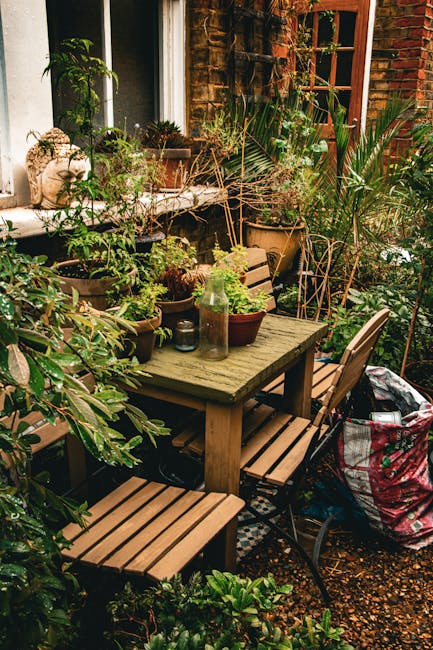
Imagine a narrow courtyard behind a flat on the Isle of Dogs. It has tired paving, three mismatched pots, one overcrowded shrub, and a fence that faces directly into a neighbouring window. It is usable, technically, but only in the same way a folding chair is usable in a cupboard.
A sensible makeover might begin with a clean-up and reset. The dead material comes out. The paving is cleaned. The layout is reduced to a compact seating zone, two tall planters for screening, and a simple cluster of repeated containers for planting. Instead of choosing thirsty, fussy plants, the design uses a mix of evergreen structure, shade-tolerant planting, and a few seasonal highlights.
The biggest change is not dramatic at first glance. But when you step into the courtyard, it feels calmer. You can walk through it without dodging clutter. The seating is actually comfortable to use. The view from inside the flat is softer. And because the planting choices suit the conditions, it does not collapse into a weekly rescue mission.
That kind of result is common in small-space work. Not flashy. Just quietly better. And honestly, that is often the best kind.
Practical Checklist
Use this checklist before starting a courtyard project or speaking with a gardener.
- Measure the full space, including awkward corners and access points
- Note where the courtyard gets sun, shade, wind, and rain splash
- Decide how you want to use the space day to day
- List what must stay, what can go, and what feels non-negotiable
- Check drainage and any obvious surface damage
- Choose a maintenance level you can realistically keep up
- Think about privacy needs from neighbouring windows or walkways
- Pick a clear style direction rather than mixing too many ideas
- Ask whether any lease, management, or property permissions apply
- Plan for watering, pruning, and seasonal tidying after the makeover
If you can answer those ten points, you are already ahead of many first-time courtyard projects. Seriously. It saves time, money, and quite a few small regrets.
Conclusion
Small courtyard makeovers on the Isle of Dogs are about making limited space work harder, look better, and feel more welcoming. The right gardener will think beyond planting and focus on how the space functions in real life. That means layout, light, drainage, privacy, maintenance, and the lived experience of using the courtyard on an ordinary Tuesday, not just on a perfect summer evening.
When done well, a courtyard becomes more than a patch of outdoor ground. It becomes a useful part of the home. Quiet, private, and easy to enjoy. Sometimes that transformation is subtle. Sometimes it is surprisingly dramatic. Either way, it should feel tailored to the property and the people using it.
For a deeper conversation about your own space, a practical plan beats guesswork every time. Start with what you want the courtyard to do, then build the design around that. Simple, really. Not easy always, but simple.
Get a free quote today and see how much you can save.
If you are ready to turn a cramped or underused courtyard into a space that genuinely earns its keep, the next step is straightforward: speak to a local gardener who understands small London gardens, and let the space tell you what it needs. It usually does, if you listen closely.
Frequently Asked Questions
What do Isle of Dogs gardeners for small courtyard makeovers usually include?
They usually include a mix of design, planting, surface cleanup, container selection, screening, and sometimes light landscaping work. The exact scope depends on your courtyard's size, condition, and how much change you want.
How much work is needed for a small courtyard makeover?
That depends on the starting point. Some courtyards only need cleaning, replanting, and a better layout. Others need drainage checks, new planters, and a more complete redesign. A site visit is usually the best way to judge properly.
Can a small courtyard look bigger with the right design?
Yes, often it can. Repetition, lighter materials, vertical planting, and simpler layouts can all create a stronger sense of space. You do not need to trick the eye in a dramatic way; just stop the space from feeling crowded.
What plants work best in shaded Isle of Dogs courtyards?
That depends on the exact light levels, but many courtyards suit shade-tolerant, resilient plants with strong foliage rather than only flowers. A local gardener will usually choose plants based on the specific conditions rather than a generic list.
How long does a courtyard makeover take?
Smaller refreshes may be completed quite quickly, while more involved redesigns take longer because of preparation, sourcing, and installation. Timing varies with access, materials, and whether any structural or surface work is involved.
Is a courtyard makeover worth it for a rental property?
Often, yes. A tidy and usable courtyard can improve the feel of the property and make it more attractive to tenants. The key is choosing a durable, low-maintenance approach rather than something high-effort.
Do I need permission to change my courtyard?
If the property is leasehold, in a managed building, or shares boundaries and communal access, you may need permission for certain changes. It is sensible to check before making structural alterations, adding fixed features, or changing drainage.
What is the best low-maintenance option for a small courtyard?
A straightforward layout with durable containers, evergreen structure, and a small number of resilient plants is usually easiest to maintain. The goal is not zero work, but manageable work.
Can a gardener help with both design and ongoing maintenance?
Yes, many can. That is often helpful because a good design is easier to maintain when the same person or team understands how the space was built and what it needs seasonally.
What should I ask before hiring a courtyard gardener?
Ask about their experience with small urban spaces, how they handle drainage and shade, what maintenance level they design for, and whether they can work within lease or access restrictions if relevant.
Is it better to use pots or built-in planters?
Both can work. Pots give flexibility and are easier to change over time, while built-in planters can create a more permanent, cohesive look. In small courtyards, the best answer is often a mix of both.
How do I keep a courtyard from becoming cluttered again?
Keep the layout simple, avoid too many decorative items, and set a basic maintenance routine from the start. A space becomes cluttered slowly, usually by little additions that seemed harmless at the time. We have all done it.