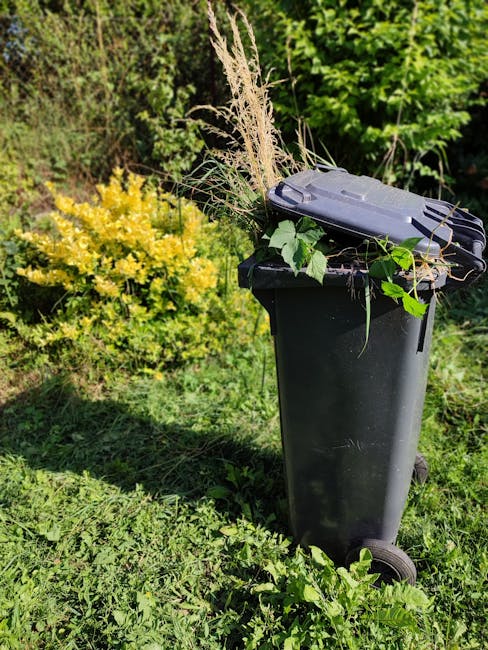
Tower Hamlets rules for gardeners on hedge height and waste: a practical guide for safer, tidier gardens
If you garden in Tower Hamlets, hedge height and garden waste are not just small details you sort out at the end of the job. They shape how a space looks, how neighbours feel about it, and whether the work stays tidy, lawful, and easy to manage. The Tower Hamlets rules for gardeners on hedge height and waste are best understood as a mix of council expectations, neighbourly common sense, and good professional practice. Get that balance right, and the job feels smooth. Get it wrong, and suddenly you are dealing with complaints, blocked paths, or a pile of cuttings that nobody planned for.
This guide breaks the topic down in plain English. You will find practical guidance on hedge trimming, waste handling, garden clearance, and how to keep work compliant without overcomplicating things. If you are a homeowner, landlord, tenant, or gardener working across East London, this is the kind of detail that saves time later. And let's face it, nobody wants to finish a neat hedge only to realise the waste has become the real headache.
- Why Tower Hamlets rules for gardeners on hedge height and waste matter
- How the practical rules usually work
- Key benefits and practical advantages
- Who this is for and when it makes sense
- Step-by-step guidance
- Expert tips for better results
- Common mistakes to avoid
- Tools, resources and recommendations
- Law, compliance, standards and best practice
- Options, methods, or comparison table
- Case study or real-world example
- Practical checklist
- Conclusion
- Frequently asked questions
Why Tower Hamlets rules for gardeners on hedge height and waste Matters
Hedge work is rarely only about appearance. In a dense borough like Tower Hamlets, a hedge can affect light, access, privacy, boundaries, and even how easy it is to move bins or wheelbarrows through a side passage. If a hedge grows too high or too wide, people notice quickly. So do neighbours. And once a complaint starts, the discussion usually moves from "could you just trim that a bit?" to "who is responsible for what exactly?"
Garden waste matters for similar reasons. Fresh hedge clippings, brash, twigs, ivy, and soil can make a small garden look chaotic in minutes. In narrow streets and shared access areas, waste that is left out too long can block pathways, attract pests, or simply make the property look neglected. That's bad for residents, bad for landlords, and awkward for gardeners who want repeat work.
There is also a broader point: professional gardeners are expected to know the difference between a tidy finish and a compliant finish. A tidy finish gets the praise. A compliant finish avoids the callback. There's a difference, and it matters.
For many jobs in the borough, the sensible approach is to pair hedge trimming services with a clear waste plan and, where needed, a wider garden maintenance schedule. That usually leads to cleaner edges, fewer disputes, and less last-minute scrambling with bin bags or skip arrangements.
How Tower Hamlets rules for gardeners on hedge height and waste Works
There usually is not one single number that tells you the "right" hedge height for every garden in Tower Hamlets. That would be too simple, frankly. Instead, height depends on the hedge's location, its purpose, and whether it affects a neighbour, a pavement, a front boundary, or a private rear garden. In practice, the gardener's job is to assess the hedge against its surroundings rather than cut to a generic target.
Here is the practical logic most teams use:
- Front boundary hedges should not block sightlines, footway visibility, or access.
- Rear hedges should be kept within a sensible height for privacy, light, and maintenance access.
- Shared or boundary hedges need agreement before major changes, especially if one side wants a hard reduction and the other does not.
- Overgrown hedges near paths or driveways should be cut back so people can pass safely without brushing through wet foliage or thorny growth.
Waste handling follows a similar common-sense pattern. Hedge clippings and green waste should be segregated, loaded neatly, and removed promptly. If the job generates larger branches, woody stems, or mixed garden rubbish, that often changes the best disposal method. A small tidy-up after a light trim is one thing. A full clearance job is another. You can see why the scope matters.
For bigger overgrowth, a team may combine hedge work with garden clearance or even tree lopping and removal if the hedge sits alongside self-seeded saplings or awkward woody growth. If the garden is being reshaped more broadly, landscaping or landscape gardening may come into play too.
Key Benefits and Practical Advantages
Staying on top of hedge height and waste rules is not just about avoiding a complaint. It improves how the whole property functions. You feel it in small ways: easier access, cleaner lines, less mess underfoot, fewer arguments with neighbours who are already having a long week.
- Better neighbour relations: a well-kept hedge is less likely to trigger complaints about light, access, or boundary overhang.
- Cleaner presentation: tidy waste removal makes the whole garden look professionally finished, even after a heavy cutback.
- Lower trip and slip risk: loose clippings on paving, steps, and shared paths are easy to miss.
- More efficient scheduling: when waste plans are clear, the job runs faster and with fewer delays.
- Better long-term plant health: regular trimming is easier on a hedge than letting it become a giant green wall and then hacking it back. That never feels elegant.
There is also a cost angle. Waste left unmanaged often becomes more expensive to remove later because it has been mixed, compacted, or spread across several parts of the garden. In other words: organised now, cheaper later.
For many clients, a service that includes a full services overview and a straightforward pricing and quotes process is more useful than a quick cut with no aftercare. And yes, the aftercare matters.
Who This Is For and When It Makes Sense
This topic matters to more people than you might think. If you are wondering whether it applies to your situation, the answer is probably yes if you are dealing with a boundary hedge, an overgrown front garden, or regular clippings that need to leave the site cleanly.
- Homeowners: especially where hedges border neighbours, front pavements, or shared alleyways.
- Landlords and managing agents: where repeat maintenance is needed to keep rented properties presentable.
- Tenants: where you are expected to look after a garden but need clarity about disposal and boundaries.
- Professional gardeners: who need a clean process for hedge work, waste removal, and client communication.
- Developers or property managers: where a neglected hedge can quickly affect the image of a site.
It makes particular sense to review hedge height and waste handling when one of these situations applies:
- The hedge is starting to shade a room, path, or neighbouring window.
- The hedge is spilling over onto public or shared space.
- Cuttings are being left in bags for too long because nobody agreed who would remove them.
- A one-off tidy-up has turned into a much larger maintenance job.
- The garden has a mix of hedges, shrubs, lawn edges, and light tree growth that all need different treatment.
When that happens, it is often more efficient to schedule hedge work as part of broader garden maintenance rather than treat it as a last-minute patch-up.
Step-by-Step Guidance
If you want a method that works in the real world, here is a straightforward way to approach hedge height and waste management in Tower Hamlets. Nothing fancy. Just a sensible sequence that keeps everybody happier.
- Inspect the hedge from both sides. Check height, width, overhang, hidden waste, and whether the hedge is impacting fences, paving, or visibility.
- Confirm responsibility and access. If the hedge is on a boundary, make sure the client understands who controls the work and whether neighbour agreement is needed.
- Agree the finish level. "Tidy it up" is not a specification. A clear height and shape target is far better.
- Plan the waste route before cutting. Decide whether clippings can be bagged, wheeled out, loaded directly, or need a separate clearance visit.
- Cut in stages. A staged trim gives a cleaner line and helps avoid overcutting, especially with dense hedges.
- Collect as you go. Do not leave a mountain of foliage until the very end. It spreads, sticks, and suddenly the job looks twice as large.
- Separate green waste from other material. Soil, plastic pots, treated wood, and general rubbish should not be mixed into hedge waste.
- Clear paths and check access points. This matters in Tower Hamlets where narrow side returns and shared passageways are common.
- Finish with a visual sweep. Look for small cuttings on steps, under parked cars, along drain covers, and against walls.
- Confirm disposal and leave notes if needed. A simple record of what was removed can be very helpful for landlords or managing agents.
If the job is heavy, uneven, or tangled with old growth, a professional team may bring in extra tools and waste handling support. That is often the sensible call. No point pretending a small hand trimmer will do the job of a proper clearance crew.
Expert Tips for Better Results
After enough hedge jobs, certain habits stand out. They save time, reduce stress, and produce a better finish. Most of them are simple, which is probably why they get ignored.
- Trim for the site, not for theory. A hedge beside a narrow path needs different treatment from one in a large rear garden.
- Check the base as well as the top. A hedge can look tidy at eye level and still be messy at the bottom where debris gathers.
- Use waste bags or tubs early. If the garden is small, this keeps the space from becoming cluttered halfway through the job.
- Work with the light. Early afternoon often shows shape and uneven cuts better than grey morning shade.
- Protect hard surfaces. Clippings on decking, paving, and steps can become slippery very quickly.
- Leave a breathing margin. Do not cut every hedge to a rigid line if the plant naturally wants a softer shape.
A small but important tip: if the hedge has nesting birds or active wildlife signs, pause and reassess before cutting further. It is better to slow down than to create a problem you cannot undo. That's just good practice, full stop.
For tougher jobs, a gardener may pair hedge work with lawn mowing or landscaping so the whole space feels coherent, not piecemeal. A hedge can look perfect, but if the lawn is strewn with debris, the overall impression still falls flat.
Common Mistakes to Avoid
Most hedge and waste problems are not dramatic. They are small mistakes repeated until they become annoying. The good news is they are easy to avoid once you know what to look for.
- Cutting without agreement: boundary hedges can become awkward fast if the person doing the work has not checked who is responsible.
- Assuming "all green waste is the same": it is not. Mixed waste needs a different disposal approach.
- Leaving cuttings in the garden overnight: this can attract complaints, especially in tight urban streets.
- Over-reducing the hedge: hard cuts can leave bare patches and take time to recover.
- Forgetting access routes: waste that can't be moved cleanly ends up blocking the very space you need to finish.
- Ignoring adjoining surfaces: leaves and stems on decking or paving can create a mess that looks worse than the hedge itself.
One surprisingly common issue is what I call the "half-finish." The hedge is cut, the waste is bagged, and then the last few feet near the gate are left because someone ran out of time. It happens. But it is exactly the sort of thing that turns a decent job into a frustrating one.
Tools, Resources and Recommendations
The right tools depend on hedge size, density, and how much waste you expect. For a light residential tidy-up, the kit is simple. For overgrown or mixed-growth gardens, the equipment list gets longer fast.
| Task | Useful tool or approach | Best for | Practical note |
|---|---|---|---|
| Light hedge shaping | Hand shears or a small hedge trimmer | Small ornamental hedges | Gives control and a neat finish |
| Regular hedge maintenance | Standard hedge trimmer | Domestic boundary hedges | Best when done before the hedge becomes woody |
| Heavy cutback | Staged pruning, loppers, and waste sacks | Dense or overgrown hedges | Allows better control and safer handling |
| Large waste volumes | Barrows, loading sheets, or clearance support | Garden clearances | Stops clippings spreading across the site |
| Mixed boundary work | Combination of trimming and clearance planning | Shared or crowded gardens | Useful where access is tight |
For many properties, especially those needing regular tidy-ups rather than one-off drama, a planned service is easier to live with than constant catch-up work. That is why some clients prefer a repeating maintenance rhythm rather than waiting until the hedge starts to lean over the path like it has its own plans.
If safety and professionalism are important on site, it can also help to review a company's health and safety approach and insurance and safety information. Those pages do not tell you how to trim a hedge, of course, but they do show whether a business takes the practical side seriously.
Law, Compliance, Standards, or Best Practice
The safest way to think about compliance in Tower Hamlets is this: hedge height and waste are governed by a blend of property boundaries, neighbour rights, public access considerations, and general duty of care. It is less about chasing one magic number and more about acting reasonably, documenting decisions, and leaving the site safe and clean.
Where relevant, gardeners and property owners should consider:
- Boundary responsibility: know who owns or maintains the hedge before making major changes.
- Public safety: do not allow growth to obstruct pavements, entrances, or sightlines.
- Waste handling: keep green waste separate from general rubbish where possible.
- Nuisance prevention: remove waste promptly and avoid leaving cuttings where they can blow, rot, or cause inconvenience.
- Professional standards: use sensible pruning methods rather than excessive or damaging cuts.
There is also a simple best-practice rule that works in almost every garden: if you would not be happy seeing the waste there next week, do not leave it there today. A bit blunt, maybe, but useful.
Gardeners should also respect site-specific requirements from landlords, managing agents, or resident agreements. In a borough like Tower Hamlets, that can matter just as much as the physical cutting itself. And if you are unsure, a short conversation before the job is usually cheaper than a dispute after the fact.
Options, Methods, or Comparison Table
When dealing with hedge height and waste, you generally have three practical approaches. The best one depends on how large the hedge is, how much waste will be produced, and how urgent the tidy-up is.
| Method | Best use | Pros | Limitations |
|---|---|---|---|
| Light maintenance trim | Regular domestic hedge care | Quick, neat, minimal disruption | Not suitable for severe overgrowth |
| Trim plus waste removal | Most residential and rental properties | Clean finish, easier for the client | Needs clear disposal planning |
| Full clearance and reshaping | Neglected gardens or boundary issues | Transforms the space | Takes longer and generates more waste |
For many Tower Hamlets gardens, the middle option is the sweet spot. Not too small, not too dramatic. Just enough work to restore order without stripping the hedge bare. A lot of real-world jobs land there, truth be told.
Case Study or Real-World Example
Picture a narrow rear garden off a terraced property in Tower Hamlets. The hedge has crept over the path, brushed against the fence panel, and started to make the sitting area feel smaller than it really is. Nothing catastrophic. Just messy, heavy, and a bit annoying every time someone walks past with a watering can.
The first step is to assess the hedge from both sides and agree the target shape with the property owner. The gardener trims in sections, clears the base as they go, and bags the waste before it spreads onto the paving. Because the garden is tight, the team removes the waste on the same visit rather than leaving it stacked by the gate.
The result is not just a shorter hedge. The garden feels wider, the path is easier to use, and the owner avoids that lingering sense that "we should really sort this out at some point." It is a small job, in one sense. But you know how these spaces are - once they're tidy, they feel twice as usable.
For clients who want to keep that standard going, a regular schedule through garden maintenance is usually the most practical route. It prevents the hedge from getting away, and it keeps waste volumes much more manageable.
Practical Checklist
Use this quick checklist before, during, or after hedge work in Tower Hamlets. It is simple, but it catches a lot.
- Check whether the hedge is private, boundary, or shared.
- Confirm the finish height or shape before cutting.
- Make sure access routes are clear for tools and waste removal.
- Protect paving, decking, and steps from clippings.
- Separate hedge cuttings from mixed rubbish.
- Remove waste promptly rather than leaving it onsite.
- Inspect the base of the hedge for hidden debris.
- Check for overhang onto paths, driveways, or shared spaces.
- Keep the final finish tidy from all visible angles.
- Leave the site safer and cleaner than you found it.
Quick expert summary: the best Tower Hamlets hedge job is usually the one that balances neighbour awareness, safe access, sensible cutting height, and a clean waste exit. If those four things are in place, the rest tends to fall into line.
Get a free quote today and see how much you can save.
Conclusion
Tower Hamlets rules for gardeners on hedge height and waste are really about good judgement. Trim with care, agree the target where needed, remove the waste properly, and leave the property looking calm rather than chaotic. That sounds simple because it mostly is. The hard part is doing it well when space is tight, schedules are busy, and the hedge has other ideas.
If you keep the focus on safety, access, and neat disposal, you will solve most problems before they start. And that is often what people are paying for - not just a cut hedge, but a garden that feels easier to live with.
A thoughtful finish lasts longer than a rushed one, and in a busy borough, that counts for a lot.
Frequently Asked Questions
What are the Tower Hamlets rules for gardeners on hedge height and waste?
There is usually not one fixed hedge height rule for every garden. The practical expectation is that hedges should not block access, visibility, or neighbour enjoyment, and waste should be removed safely and promptly.
Do I need permission to cut a boundary hedge in Tower Hamlets?
It depends on ownership and whether the hedge is shared. Before major reductions, it is wise to confirm who is responsible and whether the other side should be consulted.
Can hedge clippings be left in the garden until collection day?
Sometimes yes, but only if they are contained properly and do not create a nuisance. In small urban gardens, same-day removal is usually cleaner and less stressful.
What counts as garden waste after hedge trimming?
Usually hedge clippings, branches, twigs, leaves, and related green material. Mixed rubbish such as pots, plastic, or treated wood should not be bundled in with it.
How high should a hedge be kept near a pavement?
There is no universal number that suits every site. The key is to avoid blocking safe passage, sightlines, or access. The correct height depends on the location and the hedge's purpose.
What is the best way to dispose of large hedge cuttings?
For small volumes, bagging may be enough. For larger jobs, especially thick or woody growth, a garden clearance approach is often more efficient.
How often should a hedge be trimmed in an urban area?
That depends on the species and how quickly it grows, but regular maintenance is usually easier than waiting for major overgrowth. Little and often is often the least painful option.
What should a gardener do if a hedge has grown over a neighbour's side?
They should first check permission, ownership, and access. Even when the hedge needs work, it is better to agree the approach than to cut first and discuss later.
Is it better to book hedge trimming and waste removal together?
Yes, in many cases. It keeps the job tidy, reduces delays, and avoids the common problem of cuttings being left behind. One visit, one clean finish.
When does hedge work become a garden clearance job?
When the growth is so dense or overgrown that trimming alone will not restore order, or when the waste volume is too large for a simple tidy-up. At that point, clearance is usually the smarter option.
What if the hedge work affects shared access space?
Then extra care is needed. Access routes should remain open and safe, and waste should be moved out in a way that does not block the passage for residents or neighbours.
How do I know if a gardening company handles waste properly?
Look for clear information about waste handling, safety, and service scope. A reputable team will explain how they deal with green waste and how they keep the site clean.